How Class 43.1 and 43.2 accelerated depreciation work, how the enhanced first-year deduction is calculated, and how it stacks with the federal ITC on a real commercial system.
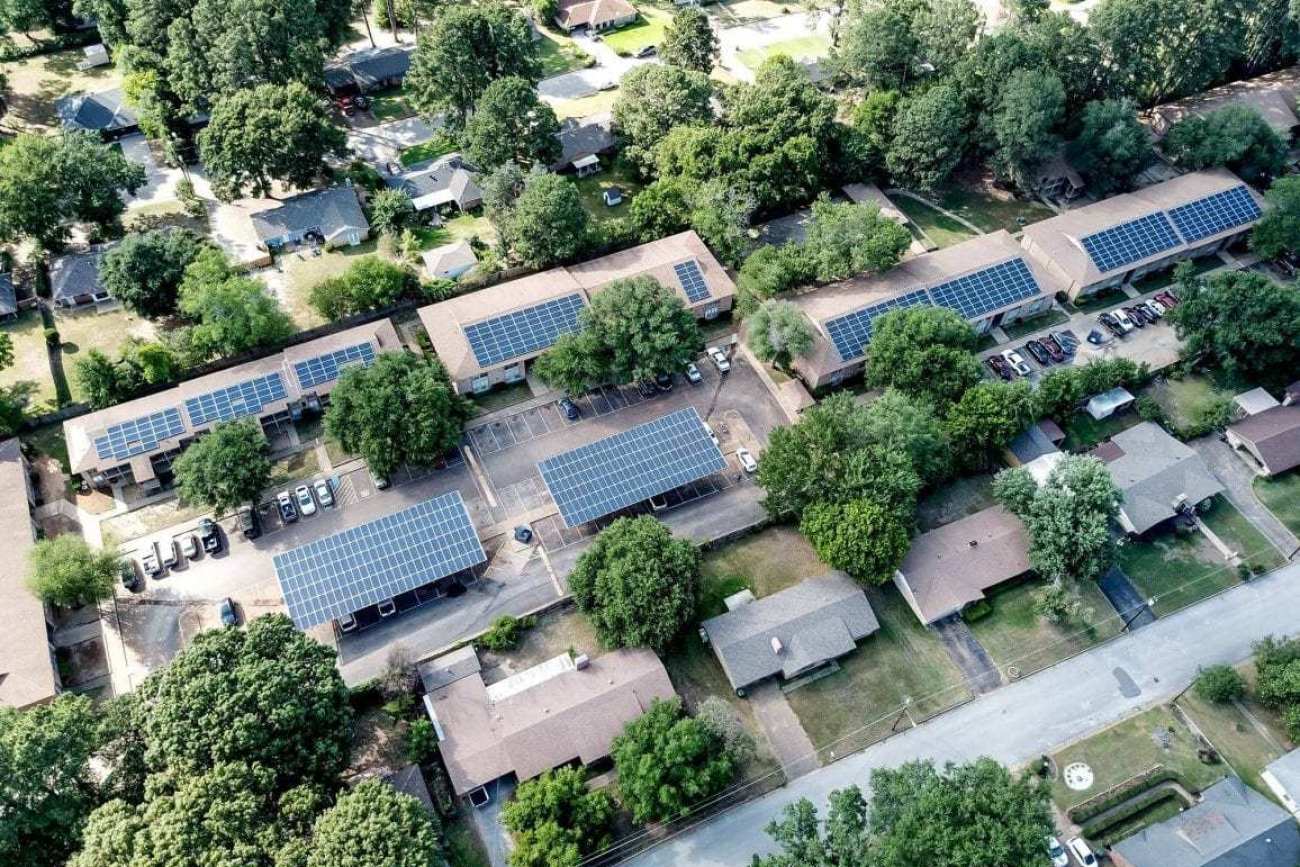
Capital Cost Allowance is the mechanism the Canada Revenue Agency uses to let a business deduct the cost of capital property, like equipment and machinery, over time rather than all at once as a regular expense. Different asset types are grouped into CCA classes, each with its own prescribed depreciation rate. Commercial solar and battery storage equipment generally fall under Class 43.1 or 43.2, which cover clean energy generation and energy-efficiency equipment specifically.
The distinction between the two classes matters: Class 43.2 offers a faster depreciation rate than 43.1 and applies to a narrower, more current list of eligible clean energy equipment, while 43.1 covers a broader range at a somewhat slower rate. Most new commercial solar and storage installations are structured to qualify under 43.2 specifically because of the faster write-off.
Normally, CCA is subject to the "half-year rule," which limits the deduction in an asset's first year to half of what the class rate would otherwise allow. For eligible clean energy equipment acquired and available for use in the applicable window, the federal Accelerated Investment Incentive removes that restriction and allows a substantially larger first-year deduction instead, which is what lets businesses write off a large share of a solar or storage system's cost in the very first year it's in service, rather than spreading it evenly over many years.
Using the same illustrative 50 kW / $92,500 system referenced on our national incentives page, here's how the CCA deduction and its tax value (at a 25% illustrative combined rate) play out over the first several years, after the federal ITC has already reduced the depreciable base:
| Year | CCA Deduction | Tax Value (at 25%) |
|---|---|---|
| Year 1 (enhanced first-year) | $50,875 | $12,719 |
| Year 2 | $12,488 | $3,122 |
| Year 3 | $8,741 | $2,185 |
| Year 4 | $6,119 | $1,530 |
| Year 5 | $4,283 | $1,071 |
Illustrative model, not tax advice. Actual CCA treatment depends on your business's specific tax position, asset class determination, and CRA rules in effect for your acquisition date, confirm with your accountant.
The Clean Technology Investment Tax Credit and CCA depreciation work through entirely different mechanisms and generally both apply to the same project: the ITC is a direct credit against tax owed (refundable, so paid out even without sufficient tax liability to absorb it), while CCA is a deduction against taxable income. In practice, the ITC typically reduces the depreciable capital cost base before CCA is calculated on what remains. Combined, the two together commonly bring total Year 1 incentive value on a commercial system to somewhere in the 40–45% range of gross project cost.
CCA is claimed on your business's tax return using the appropriate CRA schedule for capital property, identifying the asset's class, cost, and the date it became available for use. Because claiming CCA is optional each year (you can choose to claim less than the maximum allowed, or none at all, in a given year), there's some flexibility in how a business times its deductions against its broader tax position, a conversation to have with your accountant rather than a default assumption.
Official source: Canada Revenue Agency, Claiming Capital Cost Allowance
Get a free, no-obligation breakdown of your project's depreciation schedule.
Get Your Free Assessment