Add EV charging to your parking lot, fleet yard, or multi-tenant property, engineered alongside your electrical service and, where it makes sense, paired with solar and battery storage.

EV adoption among Canadian fleets and commuters is climbing, and properties that offer charging are becoming more attractive to tenants, employees, and customers. For landlords, workplaces, and retail sites, EV charging is increasingly treated the way solar was five years ago: an amenity that pays for itself through usage fees, tenant retention, or simply keeping a property competitive.
The bigger technical question is almost never "should we add chargers," it's "does the site's electrical service have the capacity, and does it make sense to pair chargers with solar and battery storage to manage the added load." That's the assessment we run before recommending a charger count or type.
| Charger Type | Speed | Best For |
|---|---|---|
| Level 1 (120V) | ~5–8 km of range per hour | Low-turnover, occasional-use parking; rarely the right fit for commercial sites |
| Level 2 (240V) | ~30–50 km of range per hour | Workplaces, multi-tenant parking, retail; the most common commercial choice |
| DC Fast Charging | ~20–30 minutes to 80% | Fleet depots, high-turnover public parking, time-sensitive charging needs |
Most commercial properties land on Level 2 charging for the balance of installation cost, charging speed, and multi-user access, with DC fast charging reserved for fleet operators and high-traffic sites where turnover speed justifies the higher upfront cost.
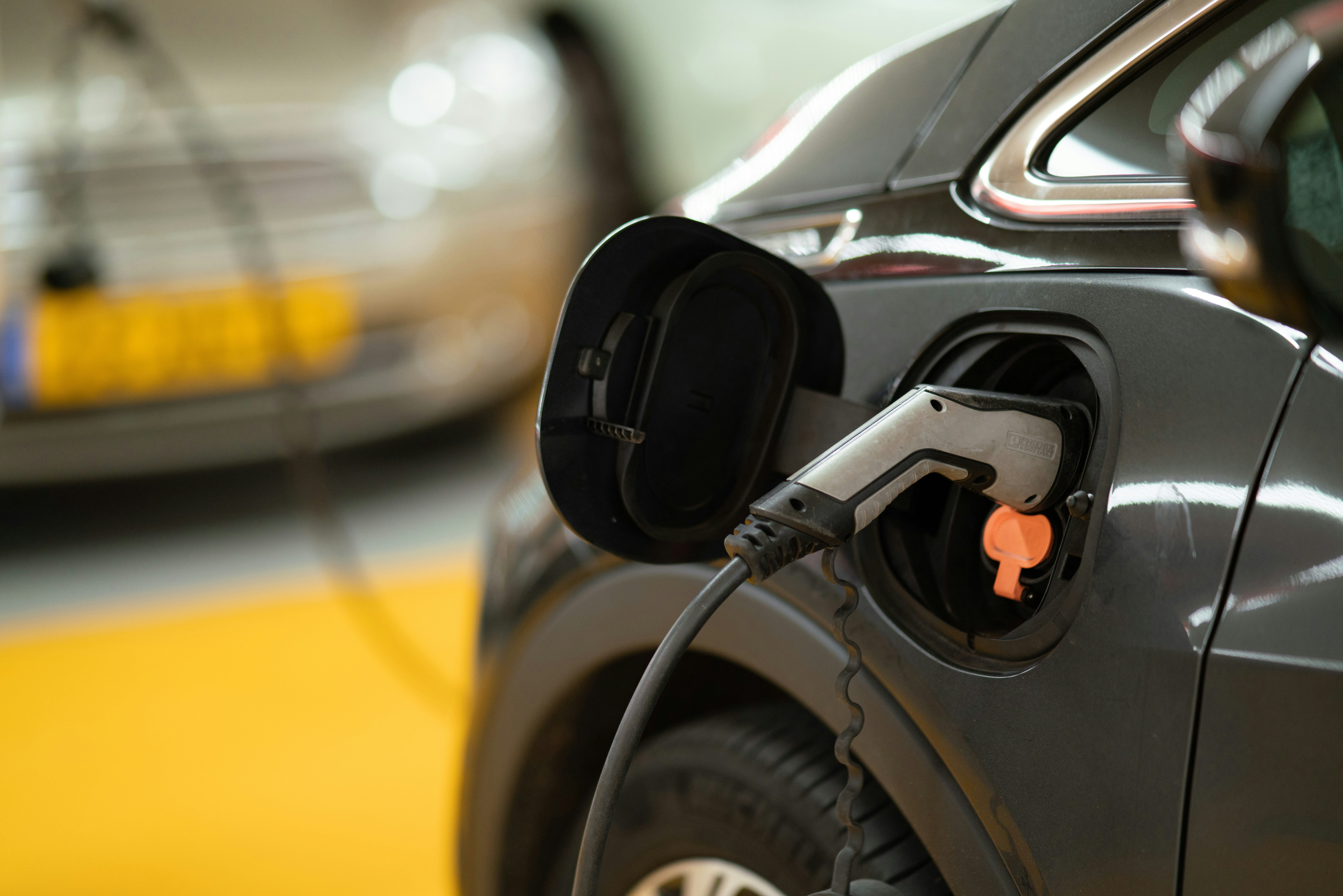
EV chargers add meaningful new load to a building's electrical service, often at times of day that overlap with existing demand peaks. Pairing chargers with on-site solar generation and battery storage can offset some of that added consumption directly and help manage the demand-charge impact of high-power charging, particularly for DC fast charging installations. See our battery storage and demand shaving pages for how that works in more detail.
Natural Resources Canada's Zero-Emission Vehicle Infrastructure Program (ZEVIP) has funded EV charger deployment across Canada since 2019, with Budget 2022 committing an additional $400 million and extending the program to March 31, 2027. Owners and operators of EV charging infrastructure have historically been eligible for NRCan funding covering up to 50% of total project costs, to a maximum of $2 million per project (up to 75% for Indigenous organizations).
Current status: as of this writing, the main owner/operator intake is closed to new applications, with funding directed through delivery organizations and periodic targeted intakes instead. Program status changes regularly, check the official page below before assuming eligibility, and we'll confirm current intake status as part of your assessment.
Source: Natural Resources Canada, Zero-Emission Vehicle Infrastructure Program
See what charger type, count, and incentives fit your property.
Get Started or call (855) 674-9661